
Sri Lankan Watalappan
Sri Lankan Watalappan, or “watalappam,” is a popular dessert made with eggs, coconut milk, and jaggery, with a hint of spice. It’s the dessert that graces every Eid table, wedding, and special occasion. Let me share my recipe for watalappan, made three different ways.
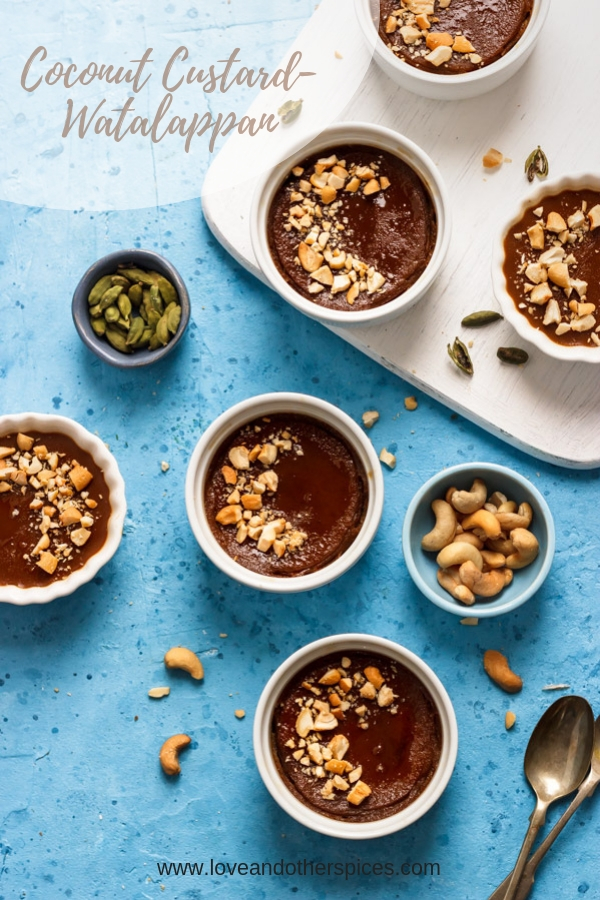
Origin of Watalappan
Watalappan is mainly made by Sri Lankan Muslims and it believed to be influnced by the Malay cuisine. No Eid goes without watalappan being made at our home or served to the guests.
It’s believed to have been originated with Sri Lankan Malays during Dutch rule. Malays from Malaysia and Indonesia were posted as soldiers or were exiled and posted in Sri Lanka. This dessert brought in by the Malays uses local ingredients; coconut milk and unrefined sugar called jaggery in Sri Lanka.
And is very similar to the creme caramel, flan or creme brulee. The only difference is that the sugar doesn’t need any caramalization due to the molasses like flavor from the jaggery.
Kitul Jaggery
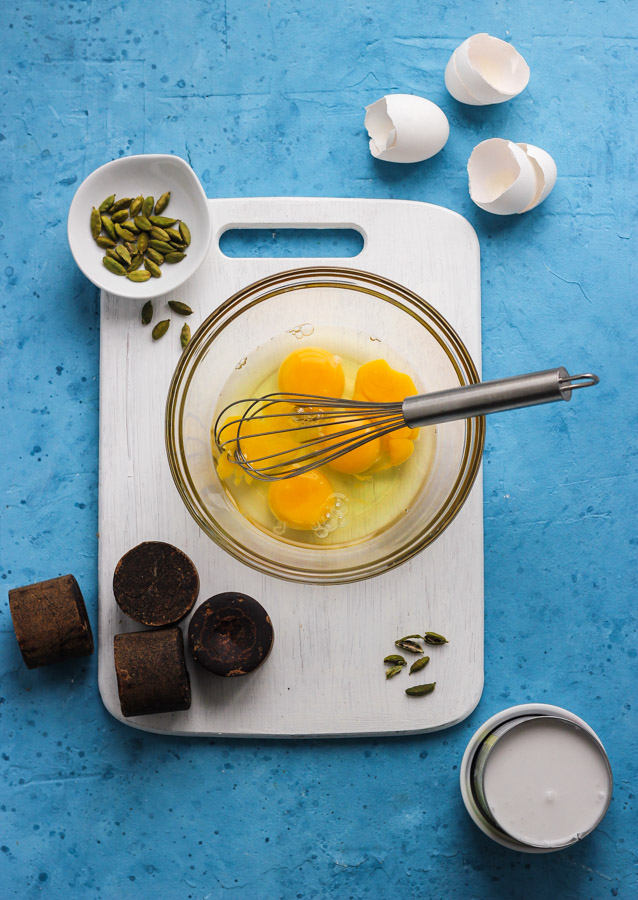
This is the main ingredient in the watalappan apart from eggs. It’s a hardened block of liquid sugar similar to maple syrup, and made from the sap of the kitul palm tree.
Now, this kitul jaggery is darker than regular cane sugar, has a molasses like flavor and grates easily.
You can find kitul jaggery at most Sri Lankan specialty grocers across North America. A few sites sell it online too, if it’s convenient for you.
If you can’t get kitul jaggery, dark brown sugar(with molasses) is the best substitute I’d reach for. Skip plain jaggery made with cane sugar, it’s too pale and won’t give the watalappan that deep molasses color or flavor.
Ingredients for Watalappan
*Scroll down for the full recipe card with exact measurements.
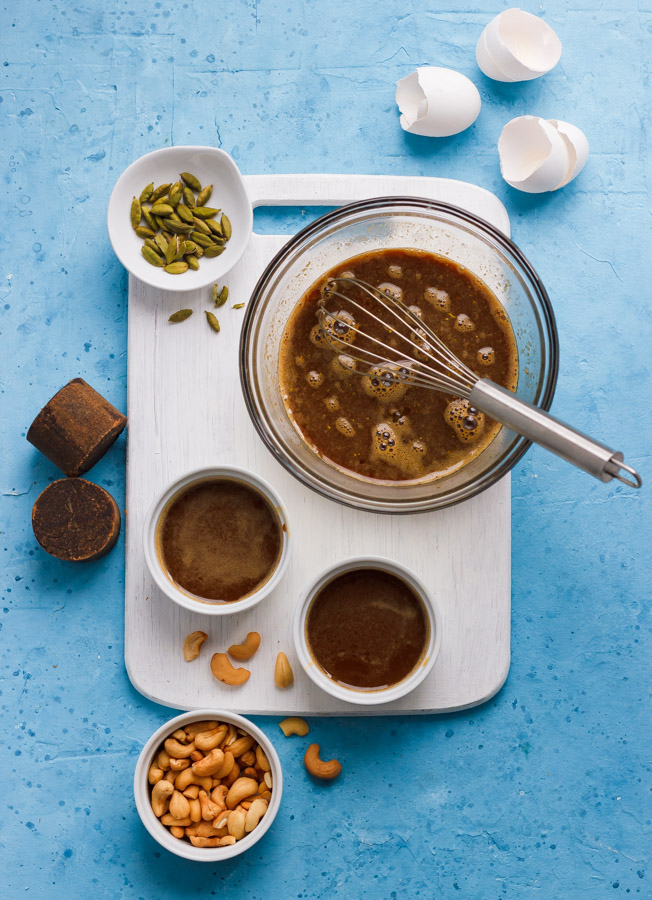
- Eggs – large eggs, whisked gently (not beaten)
- Kitul jaggery – the star ingredient, a dark, molasses-like block of palm sugar. If you can’t find it, dark brown sugar is the closest substitute. Skip jaggery made with cane sugar.
- Canned full-fat coconut milk – full fat is what I use. Low-fat coconut milk won’t taste the same.
- Cardamom powder – store-bought is fine, or grind your own from pods in a spice grinder.
- A pinch of salt – to balance the sweetness.
- Roasted cashews – for garnish.
How to Make Watalappan
- Melt the jaggery. Shave or grate the jaggery, then heat it in a pan on medium with a splash of water until dissolved. Take it off the heat right away and let it cool.
- Combine the base. Whisk the coconut milk into the cooled jaggery syrup.
- Whisk the eggs. In a separate bowl, whisk the eggs with a pinch of salt and the cardamom powder.
- Bring it together. Add the coconut milk mixture to the eggs and whisk until just combined.
- Strain. Pour the mixture through a strainer and discard any solids. Divide between ramekins(used for baking) or a stainless steel bowl, filling only three-quarters full.
Then pick your cooking method:
Cooking Method
Traditional steaming: You need a large pot with lid. Place the watalappan bowl in this large pot and fill it with water, reaching upto a quarter of the bowl. Make sure you don’t pour water into the watalappan batter. Cover and weigh the lid down with something heavy. I use the pestle from my mortar and pestle. Steam 30 minutes for ramekins, 40 for a large bowl or a dish.
Instant Pot: Add 2 cups water and the steaming insert. Place ramekins on top, seal the lid, and steam for 15 minutes. Manually release the pressure once done and let the ramekins cool before handling.
Oven: Preheat to 350°F. You’ll need a large baking dish. Set the watalappan dish in it, fill halfway with hot water, and loosely tent with foil. Bake 30-40 minutes, until set but still slightly wobbly in the center.
Tips and Common Mistakes to Avoid
- Whisk throughly. The best watalappan has a porous texture with syrup oozing out so you want to incorporate as much air into the batter.
- Don’t skip straining. This catches undissolved jaggery bits and any stray egg strands, which you don’t want in the watalappan.
- Don’t over fill the bowl. About three quarters full leaves room for the watalappan to rise during steaming.
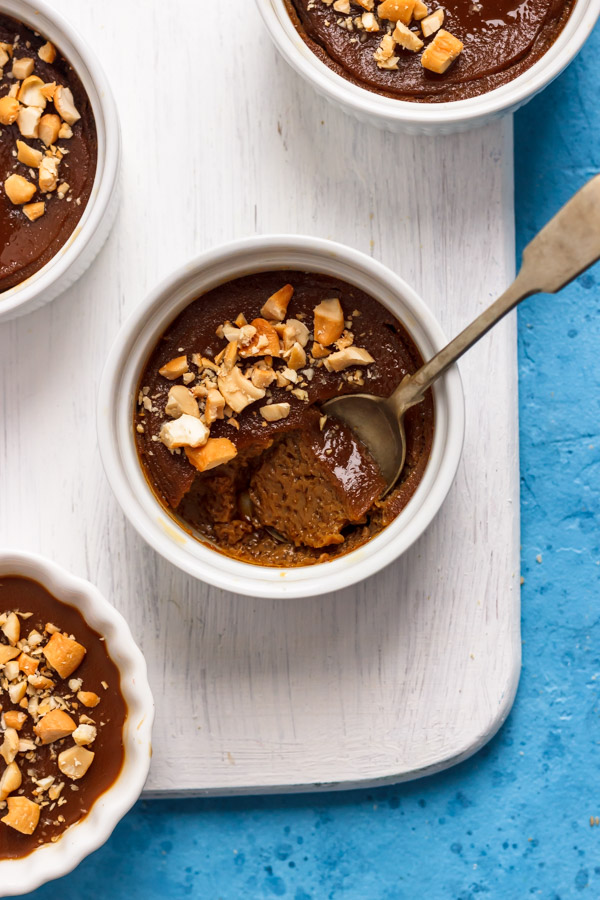
More Sri Lankan Desserts You’ll Love
Recipe
Sri lankan Watalappan

Ingredients
- 5 eggs large
- 250 g kitul jaggery/ brown molasses sugar
- 1 cup canned coconut milk
- ¼ tsp cardomom powder
- Pinch of salt
- Roasted cashews to garnish
Instructions
- Shave or grate the jaggery. Heat a pan in medium, add the grated jaggery along with 2 tbsp of water. Cook until dissolved and let it cool.
- Then, whisk in the coconut milk into the sugar syrup.
- In a separate bowl, whisk the eggs with a pinch of salt and cardamom powder. Add the coconut milk mixture to the eggs and whisk until combined.
- Strain the mixture and discard solids. Pour into individual ramekins or one large dish or a stainless steel bowl.
Traditional steaming:
- Place the watalappan dish in a large pot with a lid, and fill the pot with water so that quarter of the dish is submerged in water. Cover and seal the lid with a heavy object on top. I use my pestle for this. Steam for 30 minutes for the ramekins or 40 minutes for a large dish.
Instant pot:
- Place the steaming insert in Instant Pot and add 2 cups of water. Place the dish on the insert. Close the lid and put the vent in sealing position. Steam for 15 minutes. Once done,force the pressure out by turning the vent. Take the ramekins and let it cool.
Baking in the oven:
- Preheat the oven to 350°F. You'll need a larger baking dish. Place the watalappan dish in it and fill it half way with hot water. Cover it loosely with aluminum foil.
- Bake for 30-40 minutes. You want the watalappan to set and the middle to be wobbly. Remove from the oven and let it cool.
- You can serve the watalappan as it is or chill for a few hours. Garnish with roasted cashews when serving.
Notes
- No kitul jaggery on hand? Dark brown sugar is your best substitute. Avoid jaggery made with cane sugar – it’s too pale and won’t give you the right color or flavor.
- Storage – Refrigerate, covered, for up to a week. Freezing isn’t recommended, the custard tends to weep liquid and lose its texture once thawed.